
1. Prelude
An interesting pattern is noticed with the two temples of the Lord built by the Jews; a pattern from the past that foreshadows the future. Both previous temples were built by kings and destroyed by kings; the second temple was destroyed on the same calendar date as the first. Coincidence?
2. The Constructions
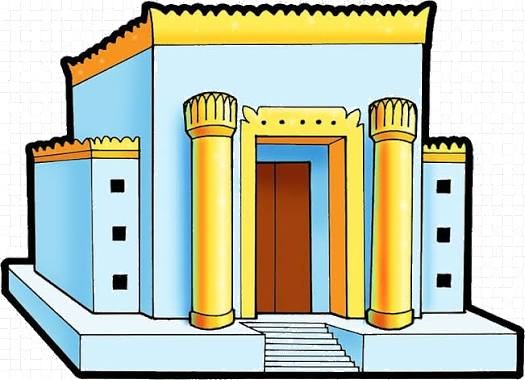
The first temple was built by King Solomon, elaborately supported with resources from King David his father (1 Kings 6:1; 5:5; 1 Chronicles 29:1-9). The second temple, built after the captivity in Babylon, generally overseen by Zerubbabel, was the initiative of Cyrus the gentile king of Persia, supported in later years by King Darius and King Artaxerxes (Ezra 6:4, 8, 14). Centuries later, it was expanded and decorated by yet another king in the New Testament: Herod, during a memorable period of forty-five years (John 2:20).
The first two temples were built by kings. Which king(s) shall build the third, whose materials are all set, awaiting the word of the king(s)?
The prophecies of David inspired the first temple. He received the design from God (1 Chronicles 28:19). The prophecies of Haggai and Zechariah inspired the building of the second temple (Ezra 5:1). Daniel already foretold the third temple (Daniel 9:27).
3. The Destructions
The first temple was destroyed by a king, Nebuchadnezzar, king of Babylon (2 Chronicles 36:7, 9), as foretold by Prophet Jeremiah (Jeremiah 25:11). Jerusalem was sacked, the temple was looted, and the Jews were exiled from the land. Judah and Jerusalem became gentile lands. Strangers from other conquered nations were moved in to replace the displaced. They came with their gods (2 Kings 17:33). They became the Samaritans. For seventy years, the land lay in ruins (Nehemiah 1:3). With that wholesome gentile takeover, it appeared that Satan had won, and prophecy was a lie … there would be no Bethlehem where Jesus would be born.
After seventy years, the Jews began to return at the decree of King Cyrus. They rebuilt the city, the temple, and the walls. About 586 years later, that second temple was also destroyed. The destruction followed the same pattern as at the first. Not only was it destroyed on 10th August 70 AD (9th of Av on the Jewish calendar), the same date the first temple was destroyed 656 years earlier in 586 BC (2 Kings 25:8-9), it was also destroyed by a king and a kingdom; by the Roman government during the reign of Emperor Vespasian, whose son, General Tutus, was on ground in Jerusalem to execute the methodical destruction of the temple as foretold by Jesus, stone after stone, as the invaders took away the gold between the stones. Just a coincidence?
According to Josephus, the renowned Jewish historian, the destruction of the city and the temple was so total that it could hardly be recognised as where people once lived. On the ruins of that destruction, the new Roman city of Aelia Capitolina was raised. The city was partly named after the Roman god Jupiter. Jews were strictly forbidden from entering that city, under penalty of death. Again, strangers moved in with their gods and pagan temples. Satan seemed to have won again. It remained that way for hundreds of years, even after the Muslim forces of the Ottoman Empire had taken the city in 1516 AD. The Muslims even erected a mosque where the temple of God once stood. For two thousand years altogether, Jerusalem was under gentile rule. Again, Satan seemed to have won. There would be no Jerusalem for another temple to be built, no access to Jews or for Jesus’ return on Mount Olivet. In 1948, however, the Fig Tree began to blossom again as the Jews started to return to the barren land that is now Israel. Again, God had the final say.
The first and second temples were destroyed by kings, as foretold by the prophets. Which king(s) shall destroy the third temple that is about to be built? We know at least that it shall be defiled, spiritually ‘destroyed’ by a ruler known as the abomination standing in the holy place, as foretold by Daniel and Jesus (Daniel 9:27; 11:31; Mark 13:14). Many readers of global end time signs believe that that ruler is already on the world scene, merely awaiting the time of his showing forth. We are those of whom the ancient prophets spoke: the saints of the last days.
4. The Dispersal Before the Destruction
What we sometimes call accidents could be divine arrangements. Many years before the massive invasion of Jerusalem and the destruction of the second temple in AD 70, which left very few survivors in the city, there was a great persecution of the Christians following the killing of Stephen. That forced many Christians to flee to other parts of the world. By the time the destruction came upon Jerusalem about thirty-five years later, the Christians were largely out of the way.
God still rules in the affairs of men. Amen (Daniel 4:17, 27).
From The Preacher’s diary,
September 26, 2026.

